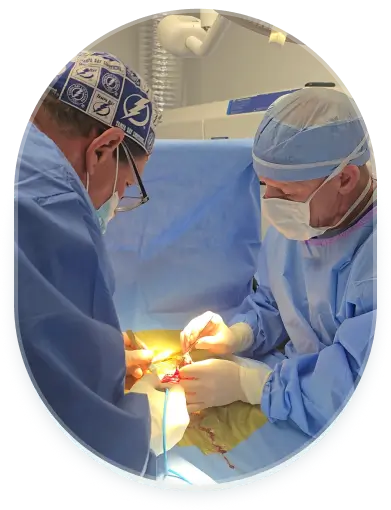
Testosterone Replacement Therapy: Restore Energy, Strength, and Drive
Financing starting as low as $250/month, with 0% interest!
Is Testosterone Replacement Therapy Right for You?
TRT is intended for men experiencing symptoms associated with low testosterone. A proper diagnosis is based on both symptoms and lab testing to determine if treatment is appropriate.
Meet Our Staff

Dr. Brian K. Zebrowski
Board-certified surgeon focused on helping men improve health, confidence, and quality of life.

Dr. Victor Loria
Experienced physician dedicated to personalized care and men’s wellness solutions.

Christian Peyton
Experienced physician dedicated to personalized care and men’s wellness solutions.
What Testosterone Replacement Therapy Can Improve
Low testosterone can impact multiple areas of your health, including energy levels, mood, body composition, and sexual performance. TRT is designed to bring your levels back into an optimal range so your body can function more efficiently.
The goal is not just short-term improvement, but long-term balance. Treatment is adjusted over time based on how you respond, helping maintain consistent results without unnecessary fluctuations.
TRT is not a one-size-fits-all approach. Your treatment is built around your lab results, symptoms, and how your body responds over time, allowing for adjustments that keep your levels stable and effective.

FIND YOUR NEW CONFIDENCE

3-Step Process for Testosterone Replacement Therapy
Step 1
Your provider will review your symptoms and order lab work to measure your testosterone levels and determine if TRT is appropriate.
Step 2
If treatment is recommended, a customized plan is created based on your results, which may include injections, pellets, or other options.
Step 3
Ongoing follow-up and lab testing ensure your levels stay in an optimal range, with adjustments made as needed to maintain results.
Testosterone Replacement Therapy Frequently Asked Questions
Find quick answers to common questions about Testosterone Replacement Therapy.
The only way to know for sure is with proper testing. Many men first notice signs like low sex drive, fatigue, mood changes, weight gain, or reduced muscle mass. These symptoms can point to low testosterone, but lab work and a medical review are needed to confirm the cause and decide if treatment is right for you.
Testosterone replacement therapy (TRT) can help improve energy levels, sex drive, mood, and mental clarity. Many patients also experience increased muscle mass, strength, and overall motivation. Benefits vary based on baseline levels and consistency with treatment.
Treatment options can vary based on your needs and provider recommendations. The source pages describe options such as testosterone injections and testosterone pellets, along with other therapies that may support hormone balance. Your provider will choose the option that best fits your symptoms, lifestyle, and treatment goals.
Testosterone pellets are small implants placed under the skin, often near the hip, during a short office visit. They release testosterone slowly over time, which can help keep levels steady. One source notes that pellets may last around 3 to 6 months, with many patients maintaining effects for about 4 months.
For many men, yes. Weekly or every-other-week injections can provide reliable hormone support and allow your provider to adjust the dose more easily. One of the source pages highlights injections as a preferred option for men who want more consistent levels and more control over treatment changes over time.
When properly prescribed and monitored, TRT is considered safe for most men with clinically low testosterone. Ongoing lab work and oversight help ensure hormone levels stay within an optimal range while minimizing risks. Treatment is adjusted as needed based on your response.
Some patients begin noticing improvements in energy, mood, and libido within a few weeks. More noticeable changes, such as increased strength and body composition improvements, typically develop over several weeks to a few months depending on the individual.

Get In Touch
Submit your information and a specialist will contact you promptly to discuss your symptoms, treatment options, and next steps. Your inquiry is private and confidential.